
Tanzania is one of the world’s most iconic safari destinations, but anyone starting to plan a trip soon faces an important question: is it better to choose a safari in the northern parks or a safari in the southern parks of Tanzania?
The two areas offer very different experiences, each with its own strengths. Understanding these differences is essential to choosing the right itinerary.
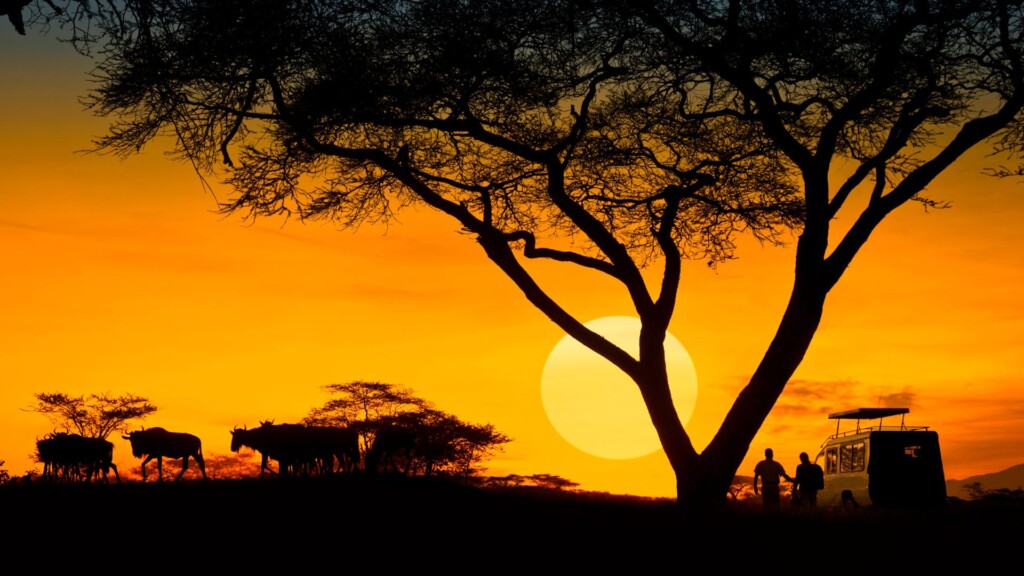
The Northern parks of Tanzania: the “classic” African safari
The Northern Circuit is the most famous and visited area of the country, and it’s the one featured in documentaries, travel reports, and iconic savanna photographs. This circuit is described as the ideal choice for a first-time safari, including the great classics like Serengeti and Ngorongoro.
Main parks in the north
- Serengeti National Park – home of the Great Migration and one of the best places in the world to observe predators.
- Ngorongoro Conservation Area – a unique ecosystem enclosed within a vast volcanic crater.
- Tarangire National Park – famous for its large elephant herds and majestic baobabs.
- Lake Manyara National Park – varied landscapes, forest areas, and the rare chance to spot tree-climbing lions.
Why choose the north
- Ideal for a first safari experience.
- Iconic landscapes, high biodiversity, and frequent wildlife sightings.
- Excellent lodges and reliable infrastructure.
The northern circuit is considered the perfect choice for those who want to experience “the great classics of Tanzania”.
The Southern parks of Tanzania: the most wild and authentic side
The Southern Circuit is far less known, but beloved by travelers seeking remote areas and a deeper connection with nature. The landscapes are vaster, the roads less traveled, and the sense of exploration is stronger.
Main parks in the south
- Nyerere National Park (formerly Selous) – one of the largest wildlife reserves in the world; ideal for boat safaris and vast open savannas.
- Ruaha National Park – as large as a small European country, with pristine habitats and a high concentration of predators.
- Mikumi and Udzungwa Mountains – lesser-known parks rich in biodiversity.
Why choose the south
The south is described as ideal for those seeking exclusivity and fewer crowds.
It is recommended for:
- travelers on their second or third safari;
- those seeking remote, wild, and less touristy locations;
- photographers and nature lovers;
- those who want to avoid the more popular northern parks.
The south also offers more varied safari activities: in addition to traditional game drives, you can enjoy walking safaris and boat safaris, experiences rarely available in the north.

Safari in Northern or Southern Tanzania: how to choose
The choice depends mainly on these factors:
1. Is this your first safari?
- Yes → Choose the north.
- No → The south offers something new and special.
2. Are you looking for easy and frequent sightings?
The north has more concentrated ecosystems and more predictable wildlife viewing.
3. Do you want an exclusive and uncrowded experience?
The south is perfect for you.
4. Budget and logistics
The southern parks require domestic flights and more isolated lodges, which often means a higher cost.
5. Time available
- 5–7 days → Best to choose one area only.
- 10–12+ days → You can consider both north and south.
Is it possible to combine a safari in the north and south?
Absolutely — this combination is strongly suggested for those with enough time and budget.
The recommended option includes:
- 4–5 days in the north (Serengeti and Ngorongoro)
- 3–4 days in the south (Nyerere or Ruaha)
- Optional beach extension in Zanzibar
This is the perfect choice for those who want to experience the best of both worlds: the epic landscapes of the north and the untouched wilderness of the south.

Conclusion
A northern Tanzania safari is ideal for those dreaming of the vast Serengeti landscapes, the Great Migration, and a classic, well-rounded experience.
A southern Tanzania safari is perfect for travelers seeking remote places, authenticity, and fewer tourists.
Those with enough time and resources can even combine north and south, creating a rich, varied, and unforgettable journey.