
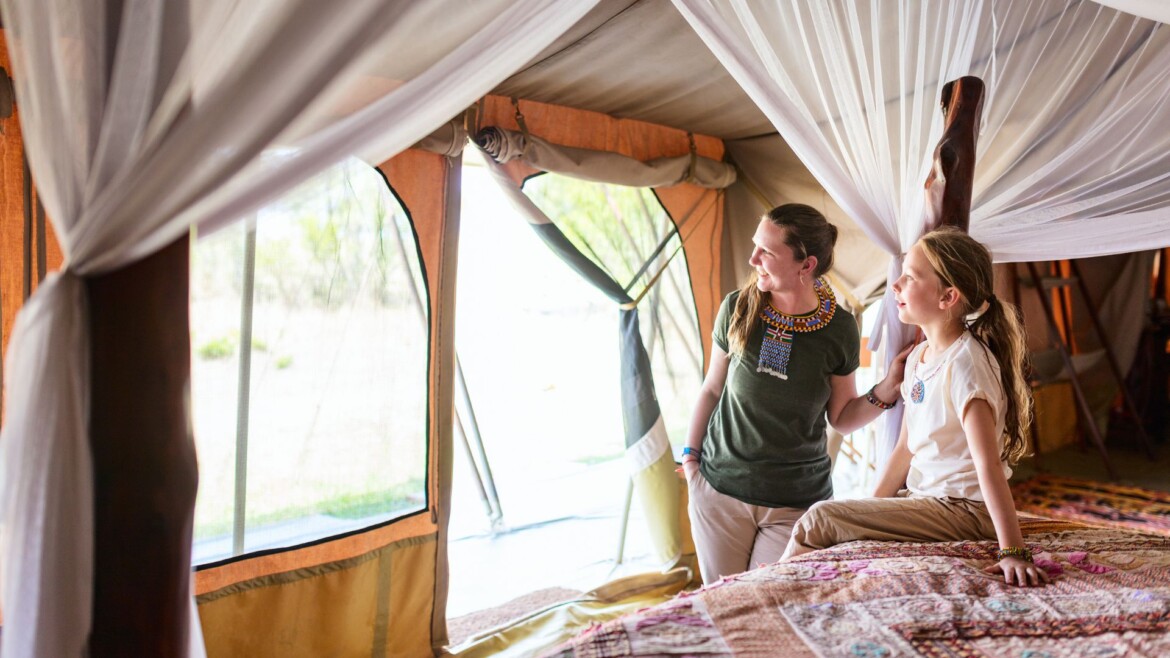
A safari in Tanzania is one of the most exciting travel experiences you can have. From the vast plains of the Serengeti to the Ngorongoro Crater, and from Tarangire National Park to Lake Manyara, every day offers unforgettable wildlife encounters and breathtaking landscapes. To make the most of your adventure, it’s important to be well prepared before departure. Here’s everything you should know before setting off.
Documents, Visa, and Travel Insurance: What You Need
Before traveling to Tanzania, make sure you have all the necessary documents in order.
Passport
Your passport should be valid for at least six months beyond your date of entry into Tanzania and have enough blank pages for immigration stamps.
Tourist Visa
Most travelers, including European citizens, require a tourist visa to enter Tanzania. It can usually be obtained online before departure or upon arrival at designated international airports. Always check the latest entry requirements before traveling.
Travel Insurance
Comprehensive travel insurance that covers both medical expenses and baggage is highly recommended. Make sure your policy includes:
- Medical treatment abroad
- Hospitalization and emergency care
- Medical evacuation or repatriation
- Lost, stolen, or delayed luggage
Since safaris often take place in remote areas, adequate travel insurance provides valuable peace of mind.
What a Typical Safari Day Looks Like
Early Morning Wake-Up
The first hours after sunrise are among the best times to spot wildlife, as temperatures are cooler and animals are generally more active.
Morning Game Drive
After a light breakfast, you’ll head out in a safari vehicle to search for predators, herbivores, and large herds across the savannah.
Midday Break
During the hottest hours of the day there’s a stop at a picnic area for lunch.
Afternoon Game Drive
In the afternoon, it’s time to head back into the park. As temperatures begin to drop, many animals become active again, offering excellent viewing opportunities.
Dinner and Overnight Stay
After sunset, guests return to their accommodation for dinner and an evening of relaxation, often sharing stories and highlights from the day’s sightings.
What to Wear and What to Pack
When packing for a safari, practicality is key.
Recommended Clothing
- Lightweight, breathable T-shirts
- Long-sleeved shirts for sun protection
- Comfortable long trousers
- A fleece or light jacket for early mornings
- A wide-brimmed hat or cap
- Comfortable closed-toe shoes
Best Colors to Wear
Neutral colors are ideal, including:
- Beige
- Olive green
- Brown
Avoid very bright colors and pure white, as they tend to attract attention and show dust easily or blue which attracts tse tse flies.
Useful Accessories
- Binoculars
- Sunglasses
- High-SPF sunscreen
- Insect repellent
- Power bank
- Camera with spare batteries and memory cards

Rules to Respect in National Parks
Tanzania’s national parks protect unique ecosystems and delicate wildlife habitats. Respecting the rules helps preserve these extraordinary natural environments.
Stay Inside the Vehicle
In most protected areas, leaving the safari vehicle is only permitted in designated locations.
Keep Noise to a Minimum
Excessive noise can disturb wildlife and reduce the quality of wildlife sightings for everyone.
Never Feed the Animals
Feeding wild animals alters their natural behavior and can be dangerous for both visitors and wildlife.
Leave No Trace
All litter should be disposed of properly or taken out of the park.
Follow Your Guide’s Instructions
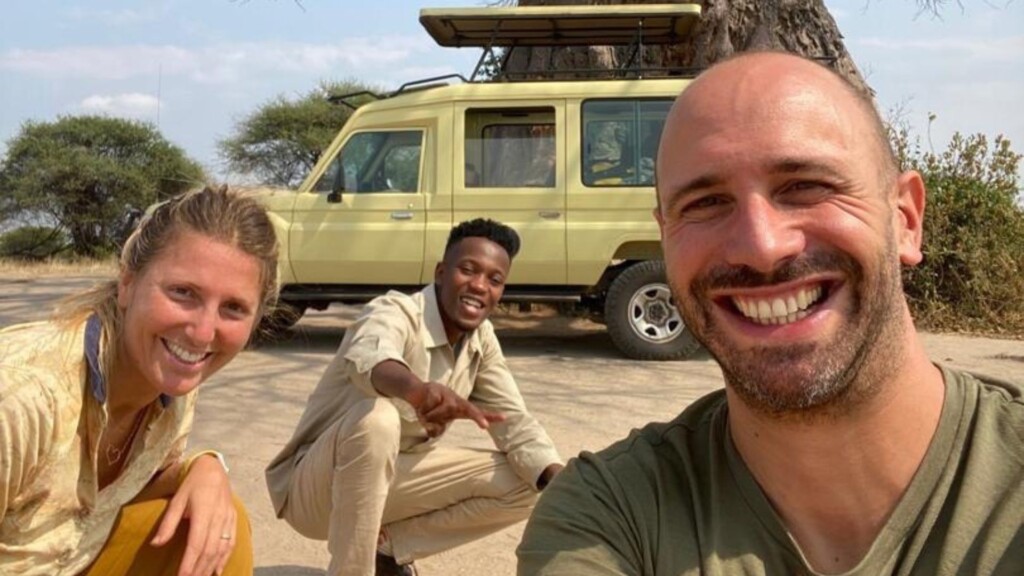
Safari guides are highly trained professionals who understand both the environment and safety protocols. Always follow their directions.
How Long Are the Transfers Between Parks?
One of the most common surprises for first-time visitors to Tanzania is the travel time between parks.
The parks within the Northern Safari Circuit are relatively well connected, but transfers can still take several hours due to unpaved roads and varying driving conditions.
Approximate travel times include:
- Arusha to Tarangire: 2–3 hours
- Tarangire to Lake Manyara: 1–2 hours
- Lake Manyara to Ngorongoro: around 2 hours
- Ngorongoro to Serengeti: 3–5 hours, depending on the area visited
These journeys are often part of the experience, with opportunities to enjoy scenic landscapes and occasional wildlife sightings along the way.
The Most Frequently Asked Questions Before Departure
Is a safari suitable for children?
Yes. Many safari itineraries are family-friendly, although minimum age requirements may vary depending on the lodge, camp, or specific activities included.
Will I Actually See the Big Five?
There are never guarantees when observing wild animals in their natural habitat. However, Tanzania’s main northern parks offer excellent chances of spotting the famous Big Five.
Do I Need to Be Physically Fit?
No. Traditional safaris are primarily conducted in 4×4 vehicles and do not require any special level of fitness.
Is a Safari Safe?
When traveling with reputable tour operators and following your guide’s instructions, safaris are generally considered very safe experiences.
How Much Luggage Should I Bring?
Packing light is recommended, especially if your itinerary includes domestic flights, which often have strict baggage allowances.
Is There Internet Access?
Many lodges and safari camps offer Wi-Fi in common areas, although connectivity may be limited or unavailable in more remote locations.
Conclusion
A safari in Tanzania is a journey filled with unforgettable moments and extraordinary wildlife encounters. Arriving well prepared—with the right documents, appropriate clothing, and realistic expectations about travel times and daily routines—will allow you to enjoy every moment with confidence and peace of mind. With proper planning, you can focus entirely on the beauty, adventure, and wonder that Tanzania has to offer.